Boring flat roofs with gray concrete surfaces don't have to be the norm!
A roof garden is an interesting alternative and almost develops itself into a small biotope.
The roof garden is planned from the very beginning of the house construction; it must be decided beforehand whether the roof garden will be used like a garden or simply planted with vegetation. With extensive green roofs using sedum shoots or similar plants, less concrete and reinforcement are required.
A roof garden reduces the sealed surface area of a property, and a positive side effect is an improved indoor climate. A green roof can also be implemented on a carport or small extension/garden shed.
Composition:
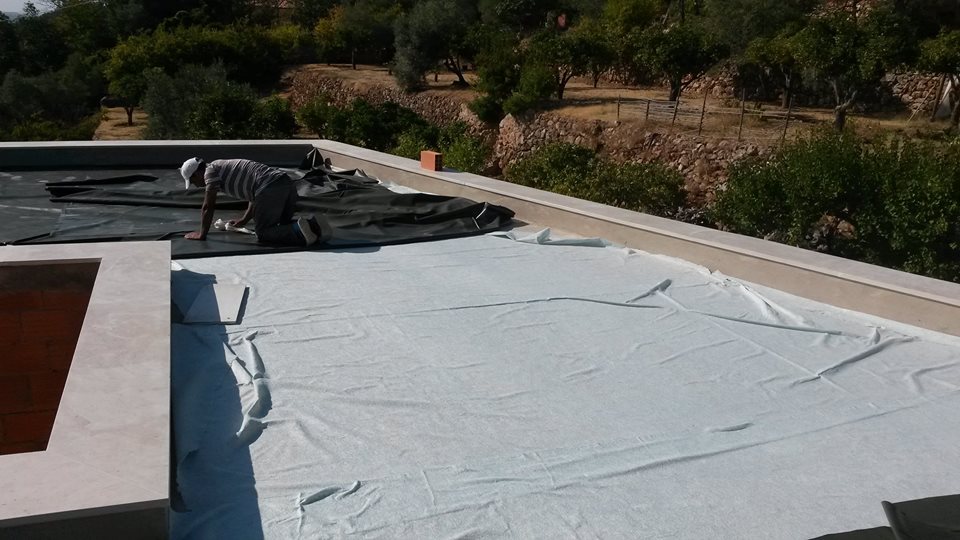
1) Geotextile 270g/m² as a protective underlayment
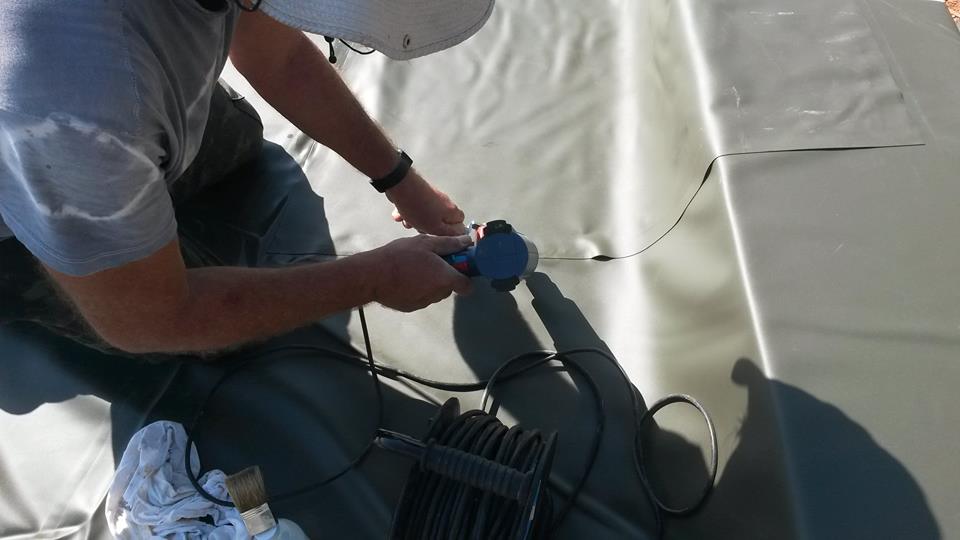
2) Root barrier membrane made of flexible PVC, 1.2 mm thick
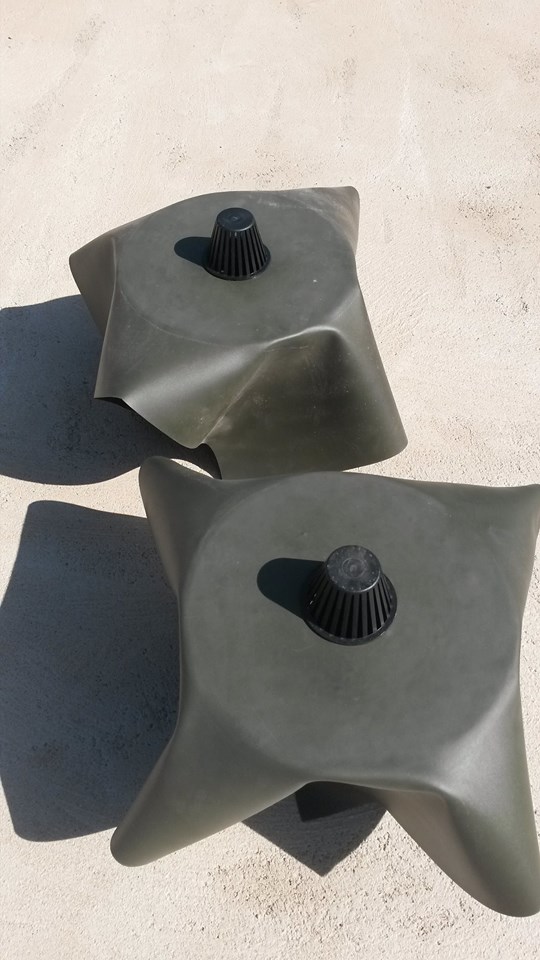
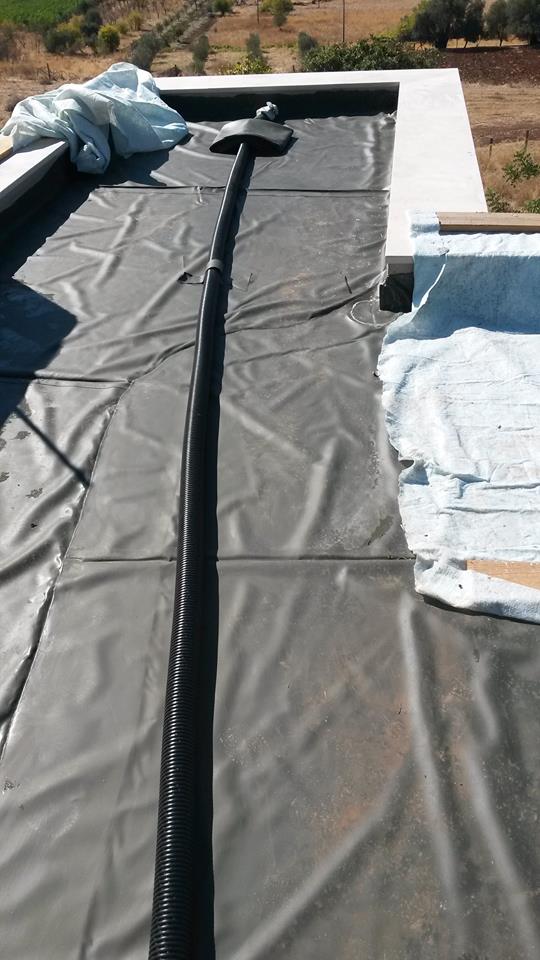
3) Drainage pipe, 65 mm diameter, and roof drains, DN 70
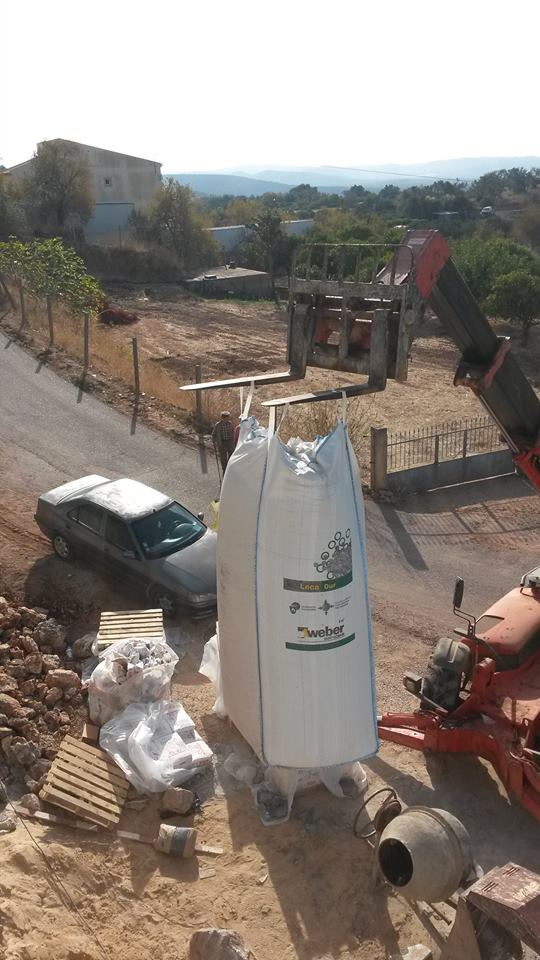
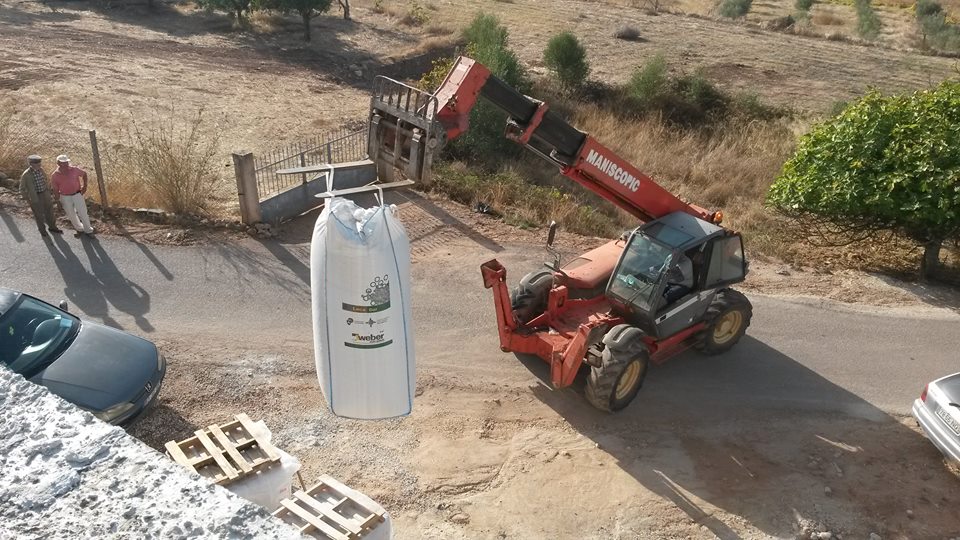
4) Expanded clay, 10-15 mm thick, as a water-permeable profile
5) Separation layer made of geotextile, 150g/m²
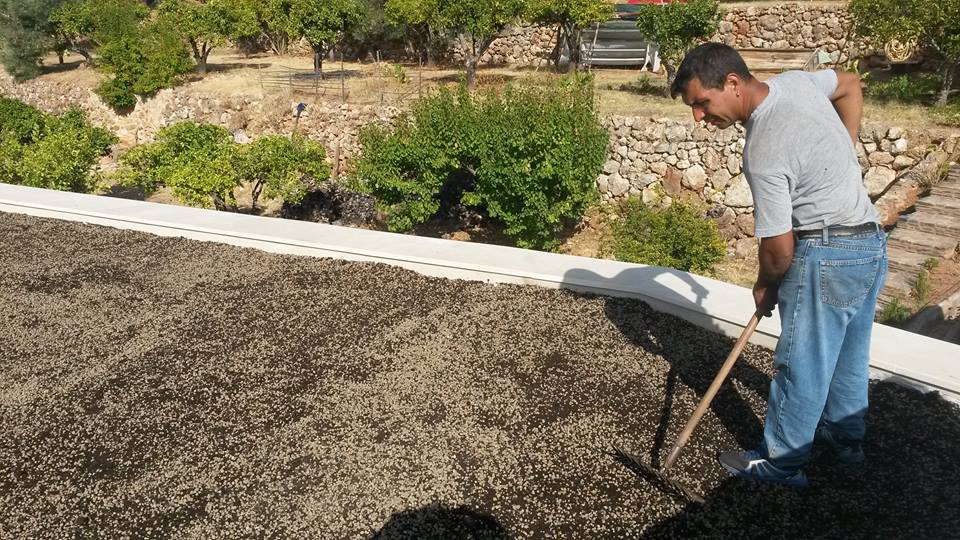
6) Substrate/expanded clay mixture as planting soil
7) Potted sedum plants for roof greening
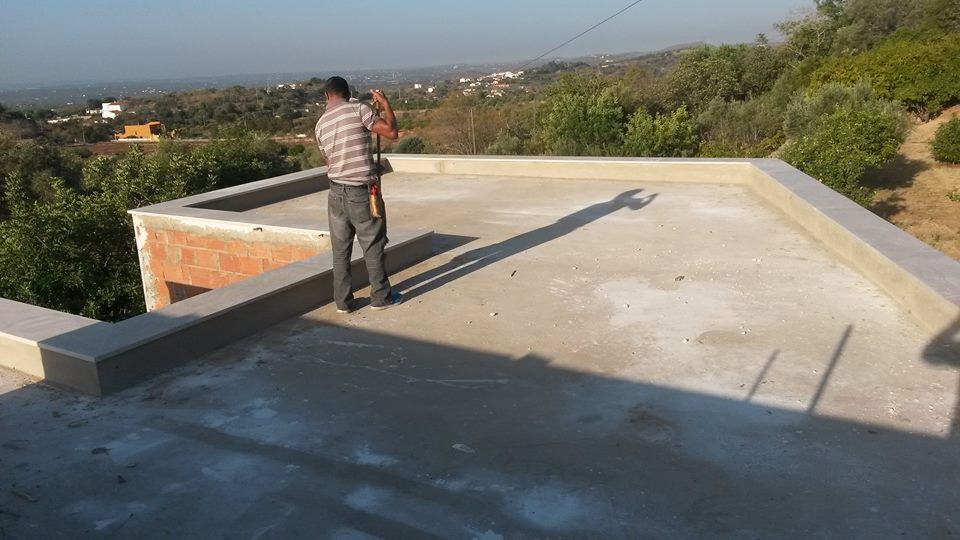
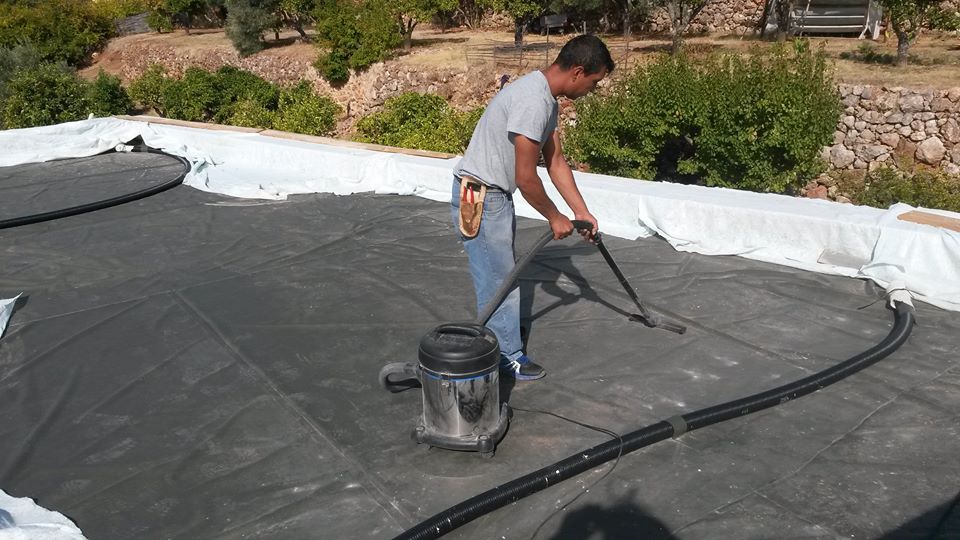
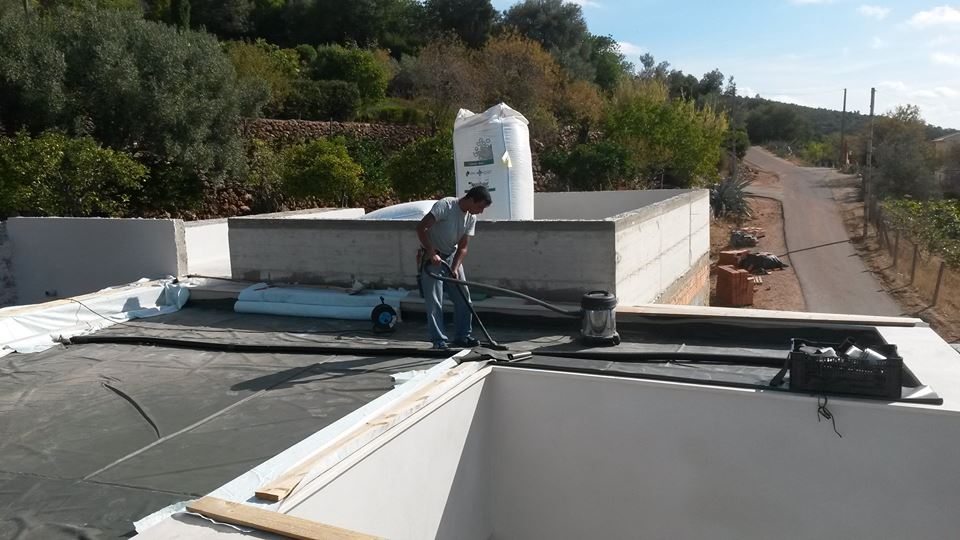
The roof surface is handed over by the contractor after a leak test and is thoroughly cleaned to prevent damage to the membranes.
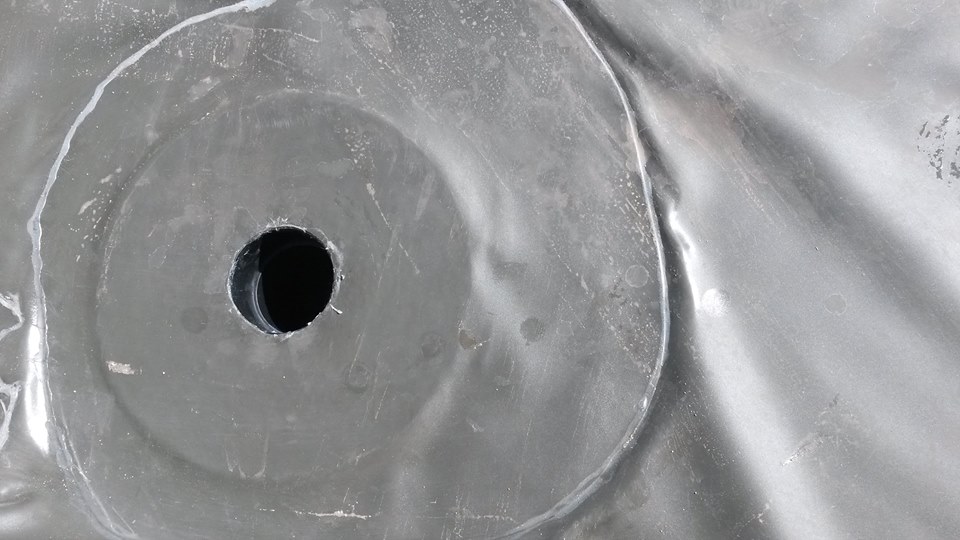
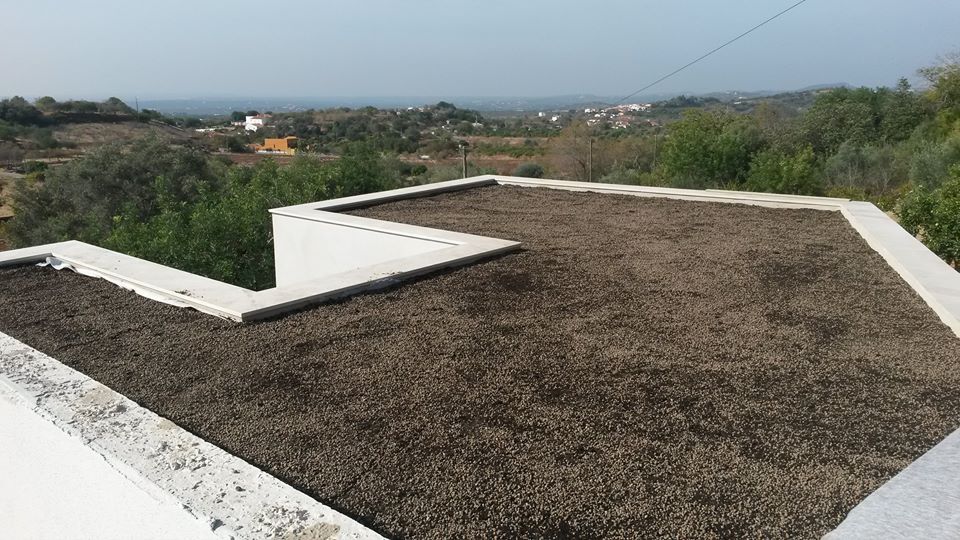
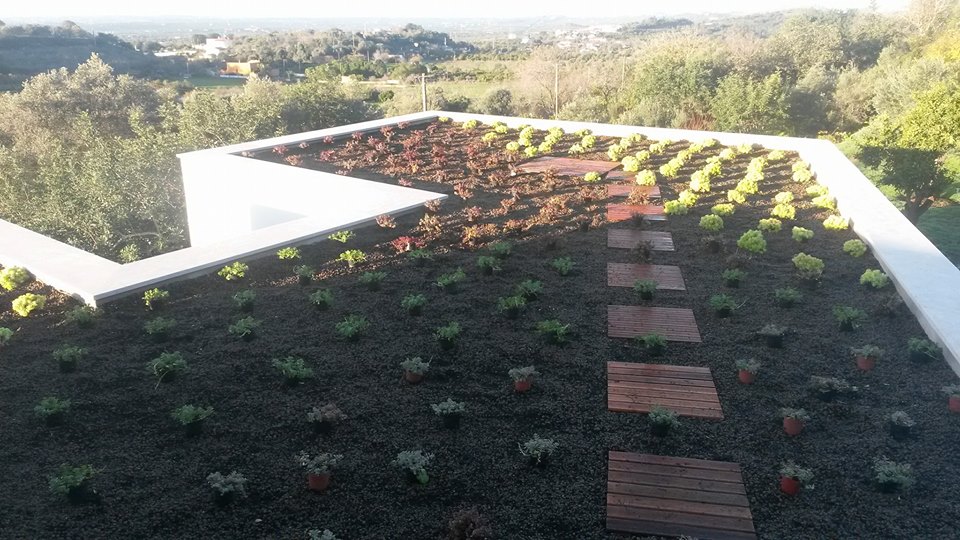
Once the membranes are laid and welded, the drainage pipe is installed and connected to the roof drains. Expanded clay pebbles are distributed as a water-guiding profile, followed by a geotextile and a mixture of substrate and expanded clay for the plants.
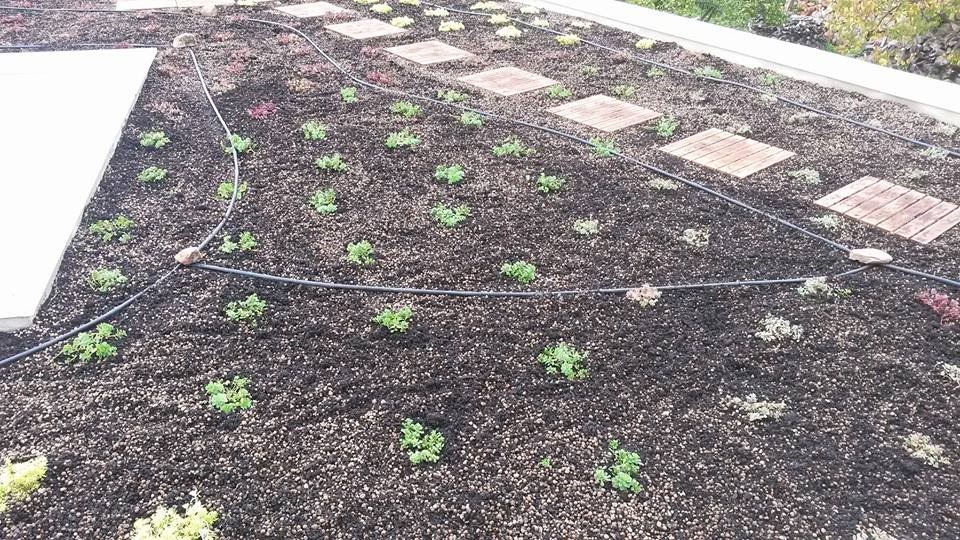
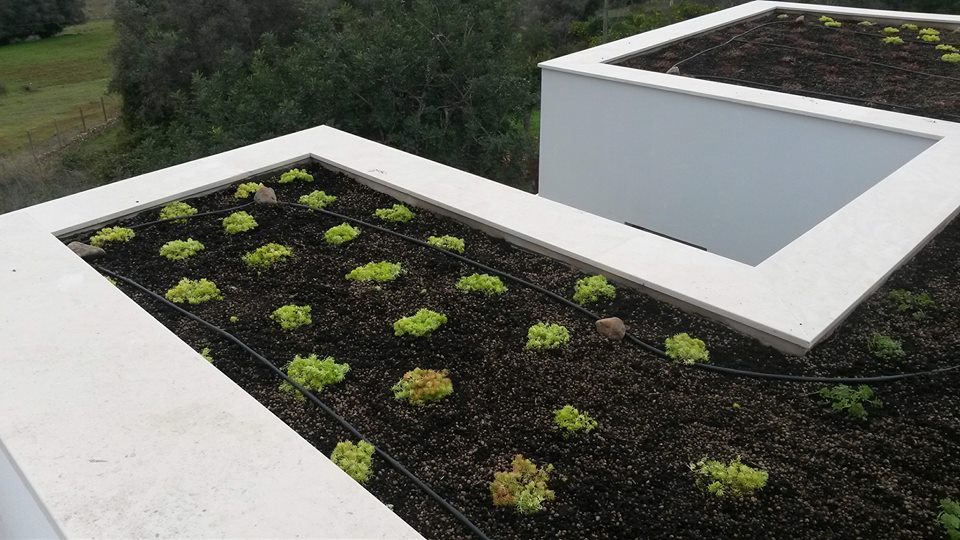
We chose sedum shoots in various colors for planting. The drip lines will eventually disappear beneath the vegetation. The wooden stepping stones make maintaining the roof garden easier.